
How I Work
Neurodivergent-Affirming Practice
Many of the children and young people I work with are neurodivergent, specifically Autistic.
As a neuro-divergent affirming Speech and Language Therapist my work focuses on empowering Autistic children and young people to to understand their Autistic identity and how to navigate different styles of communication. I do not focus on ‘teaching’ social skills; instead my work focuses on respecting Autistic styles of communication, supporting self-esteem, and empowering individuals to have the tools to advocate for themselves (or their child).
I focus on ensuring each individual is able to maximise their communication potential. This will include using a total communication approach, where all methods of communication are used and accepted.
Building Connection
Building a young person’s communication skills is at the heart of any Speech and Language Therapy programme, and an important part of this is developing confidence and connection with the world around them. This starts in our sessions; ensuring each individual finds a motivating and safe space where connection can be formed.
I work with children or young people who have may have mild difficulties with the pronounciation of their speech, to those with more complex communication and developmental difficulites.
Everyone has the right to be able to communicate, build connections and feel empowered within society.
Child and Family Centred
To ensure that I can build connection with each young person I focus on working with a limited number of families at any one time. This may mean I have a waiting list for therapy, but my goal is to fully commit to each family’s unique needs and provide effective, evidence based and individualised therapy,

What actually happens in a Speech and Language Therapy session?
This is one of the most frequently asked questions! I have extensive experiencing in using a range of therapeutic approaches that are selected depending on what is appropriate for each child’s unique needs. This may include:
Using AAC (alternative augmentative communication) to support understanding and expression. For example:
Makaton
Visual aids such as photos, symbols and aided language boards
High tech communication apps

Therapeutic inteventions such as:
Colourful semantics
Attention Autism
Intensive Interaction
Gestalt Language Processing Therapy
Parent Child Interaction (PCI) and Parent Coaching
Lego Therapy
Nuffield Dyspraxia Programme
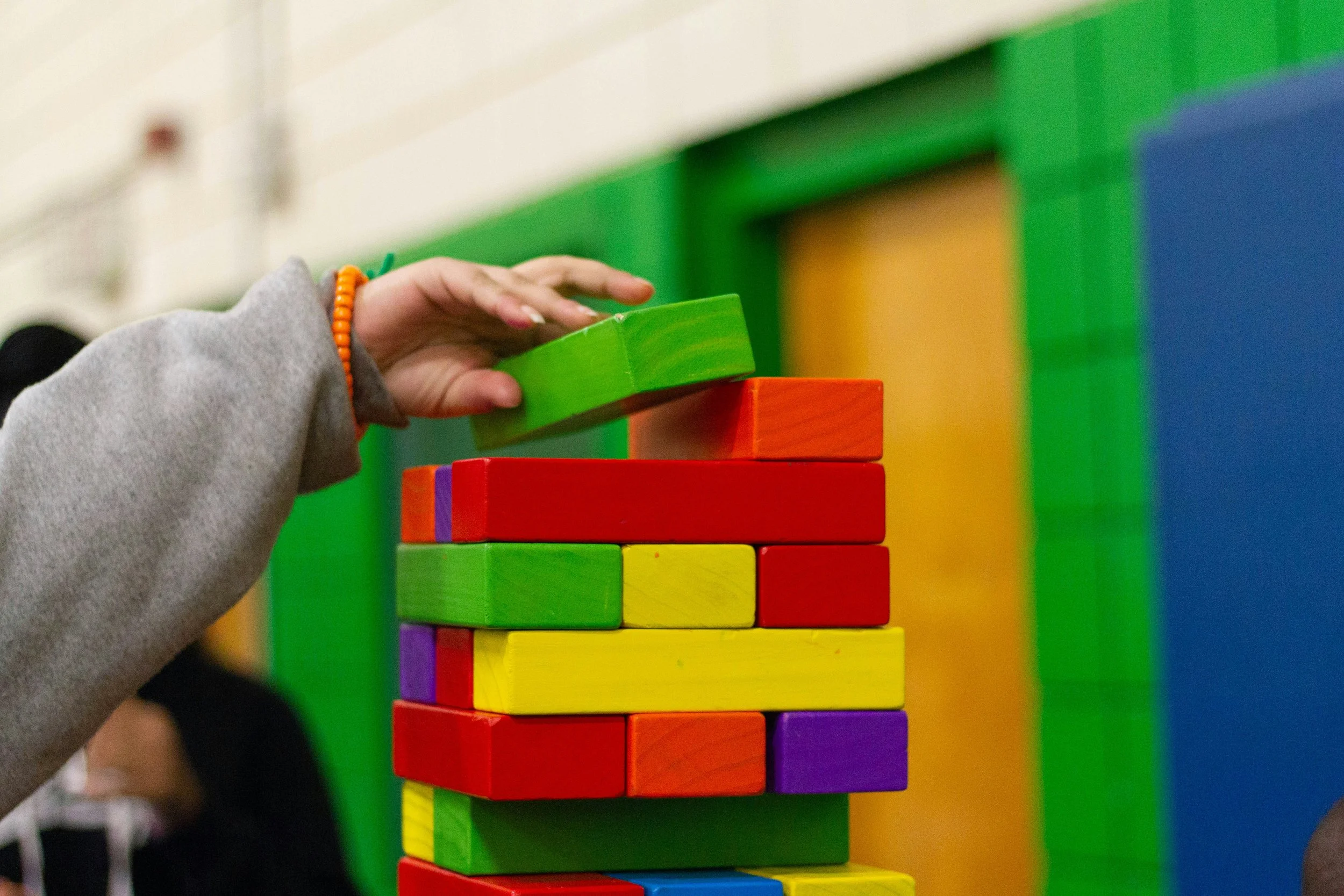
But the most important part of any speech and language therapy session is FUN.
All sessions are designed to motivate and create shared, meaningful experiences for your child that support them to fully participate in the therapy and reach their potential.